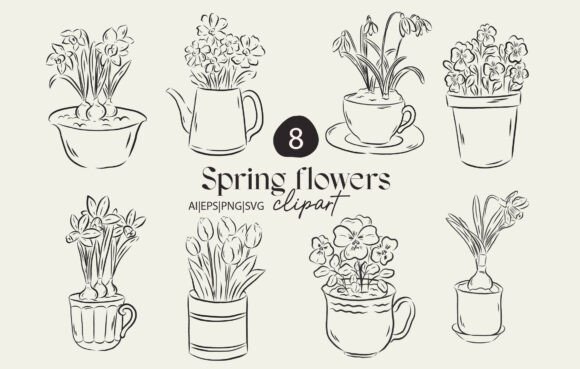
Spring Flower Line Art Collection: Fresh Florals for Your Projects
There's something genuinely refreshing about a well-crafted set of botanical illustrations. The Spring Flower Line Art Collection captures that feeling perfectly, offering eight hand-drawn floral designs that feel both organic and thoughtfully designed. This isn't just another generic clipart set—the illustrations have a distinct personality that balances natural charm with modern simplicity.
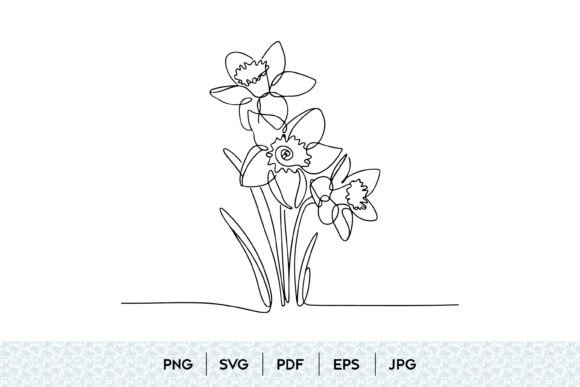
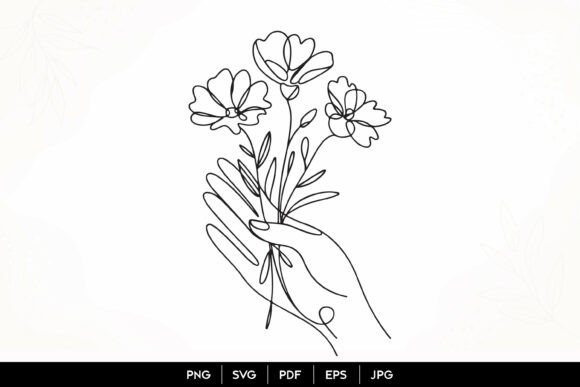
What strikes me first about this collection is its restraint. Each flower—whether it's a crocus, daffodil, snowdrop, primrose, hyacinth, or bluebell—maintains clean shapes and soft color palettes without veering into overly decorative territory. The flat illustration style keeps things contemporary, while the hand-drawn quality adds warmth that purely digital designs often lack. It's a combination that works surprisingly well across different contexts.
Understanding the Visual Character
The personality of the Spring Flower Line Art Collection sits somewhere between playful and professional. The illustrations aren't childish, but they carry enough whimsy to feel approachable. This makes them genuinely versatile—equally at home on a premium greeting card as they are on a child's nursery wall art or a small business's product packaging.
The modern flat style deserves particular attention. Rather than pursuing photorealistic detail, these botanical elements focus on essential shapes and subtle color variations. Each illustration communicates clearly at different scales, which matters enormously when you're working across multiple formats. A design that reads well as a tiny sticker will typically translate beautifully to larger applications like posters or wall art.
Color-wise, the soft palette feels intentionally curated. These aren't saturated, bold florals—they're gentler, more nuanced tones that complement rather than dominate a design. This restraint actually expands their usefulness considerably, allowing them to pair with a wide range of color schemes and design styles without creating visual conflict.
Practical Applications Worth Considering
For designers and creative professionals, the real value of any design asset lies in its adaptability. The Spring Flower Line Art Collection excels here because of its simple vector construction and thoughtful file format inclusion. Having AI, EPS, PNG, and SVG formats means you're covered whether you're working in Adobe Illustrator, preparing files for Cricut or Silhouette machines, or building digital products.
Sticker design is an obvious starting point. The clean shapes and distinct silhouettes make these illustrations ideal for die-cut stickers, which remain popular across platforms like Etsy and in physical retail. The flat style ensures they maintain visual clarity even at small sizes, and the botanical theme aligns perfectly with spring seasonal demand.
Beyond stickers, consider how these elements work within editorial design and publishing. Blog headers, magazine spot illustrations, and chapter openers benefit enormously from botanical elements that add visual interest without overwhelming text-heavy layouts. The soft color palette makes them particularly useful in wellness, lifestyle, and nature-focused publications where the aesthetic needs to feel calming rather than stimulating.
For brand identity work, especially with small businesses in the wellness, beauty, food, or lifestyle spaces, these illustrations offer a way to introduce natural elements without committing to a full custom illustration package. They work well as supporting design assets—think pattern backgrounds, accent elements on business cards, or decorative touches on packaging design. The modern botanical style feels current without being trendy in a way that might date quickly.
Craft and DIY Projects
The crafting community will find particular value here. The SVG format opens up possibilities for Cricut and Silhouette projects—everything from iron-on transfers for tote bags and t-shirts to vinyl decals for home décor. The simplicity of the line art means cutting machines can reproduce them cleanly, without the complications that more detailed illustrations sometimes present.
Scrapbooking enthusiasts and paper crafters can use these as digital stamps, printed embellishments, or elements in custom stationery designs. The spring theme makes them especially relevant for seasonal projects—Easter cards, Mother's Day invitations, spring wedding invitations, or seasonal home décor items.
Making Smart Design Decisions
When incorporating any design asset into professional work, context matters enormously. The Spring Flower Line Art Collection works best when you match its visual personality to appropriate projects. These aren't corporate illustrations—they'd feel out of place in a financial services annual report. But for a boutique florist's branding, a yoga studio's marketing materials, or a sustainable skincare line's packaging, they're nearly ideal.
Consider font pairing carefully if you're combining these illustrations with typography. The hand-drawn quality pairs naturally with script fonts or handwritten typefaces for a cohesive, artisanal feel. However, combining them with clean sans serif fonts creates an interesting contrast that can feel both modern and approachable. Avoid overly ornate serif fonts, which might compete with the illustrations' gentle visual rhythm.
Testing matters. Before committing to these elements for a major project, create sample compositions at the actual sizes you'll use. What looks balanced on screen might feel different in print, and vice versa. Pay attention to how the illustrations interact with your chosen color palette—they're designed to be adaptable, but testing ensures you're getting the best possible result.
From a licensing perspective, always verify the specific terms before commercial use. Most quality design asset collections include commercial licenses, but understanding the boundaries protects both you and your clients. The investment in properly licensed creative assets reflects professionalism and protects your work from potential legal complications down the road.
Building Cohesive Seasonal Design Systems
One approach I find particularly effective is using collections like this as foundations for seasonal design systems. Rather than treating each illustration as a standalone element, think about how the eight botanical designs work together. They share enough visual consistency to create cohesive pattern designs, multi-piece wall art sets, or coordinated stationery collections.
This systematic thinking transforms a single purchase into a genuinely versatile design toolkit. You might use the daffodil and crocus for early spring promotions, transition to hyacinth and bluebell as the season progresses, and combine multiple elements for comprehensive spring campaigns. The Spring Flower Line Art Collection provides enough variety to sustain multiple projects while maintaining visual consistency—a balance that's harder to achieve than it might seem.
Ultimately, the best design assets are the ones you'll actually use. The accessibility of this collection's style, the practicality of its file formats, and the relevance of its botanical theme make it the kind of resource that earns its place in a designer's toolkit rather than gathering digital dust in a forgotten folder.