Hand Drawn Doodle Numbers Folk Art: A Designer's Guide
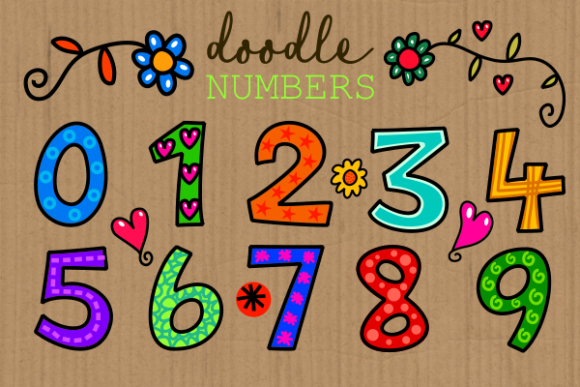
There’s a specific kind of charm that comes from something that isn’t perfectly measured or mechanically precise. It feels personal, immediate, and human. That’s the core of Hand Drawn Doodle Numbers Folk Art. This isn’t a standard numeric font. It’s a collection of illustrated characters, each one crafted with the energy and slight imperfections of a pen on paper. The visual style is rooted in a folk art sensibility—think of decorations on a vintage craft, a whimsical illustration in a children’s book, or the playful markings on a handmade sign.
Each number from 0 to 9, along with the special occasion ages like 16, 18, 20, 21, and the decade markers up to 70, carries a distinct personality. The lines are confident but not rigid, with varying weights that mimic the natural pressure of a hand-drawn stroke. They aren’t uniform; some might tilt slightly, others might have a thicker serif or a decorative curl. This inconsistency is the entire point. It’s what gives them their warmth and authenticity. The included doodle flowers aren’t just add-ons; they’re part of the same visual language, allowing you to build complete, cohesive designs that feel organic and crafted.
Where These Doodle Numbers Truly Shine
Understanding a design asset’s strengths is key to using it effectively. Hand Drawn Doodle Numbers Folk Art excels in projects where you want to inject personality, approachability, and a tactile quality. It’s a creative font that steps away from the sleek, often impersonal feel of modern typography. Think of it as a tool for connection rather than just communication.
In logo design and brand identity, particularly for businesses that want to emphasize craftsmanship, community, or a playful spirit, these numbers can become a cornerstone. Imagine a bakery using them for their house numbers on packaging, a children’s boutique for age-based clothing tags, or a local workshop for event posters. They immediately signal a brand that values the handmade and the unique.
For editorial design and publishing, they’re perfect for chapter numbers in a cookbook, page numbers in a lifestyle magazine, or pull quotes in a blog post. In packaging design, they can highlight product weights, batch numbers, or special edition years with a friendly, accessible vibe. The numbers work beautifully in social media graphics for countdowns, celebration posts (birthdays, anniversaries), or highlighting key statistics in a more engaging way than a standard sans serif font.
Practical Guidance for Implementation
Choosing a premium font like this is an investment, so evaluating its fit is crucial. First, consider the tone of your project. Is it formal and corporate, or is it relaxed and creative? Hand Drawn Doodle Numbers Folk Art leans heavily toward the latter. It’s a display font at heart, meaning it’s designed for impact and personality in headlines, logos, and short bursts of text, not for setting long paragraphs of body copy.
A critical step is font pairing. Because these numbers are so expressive, they need a more neutral counterpart to ensure readability and create a clear hierarchy. Pair them with a clean serif font for a touch of classic elegance or a simple sans serif font for a modern, balanced contrast. A script font might work for a single decorative element, but be cautious of visual competition. Test your pairings by setting a headline with the doodle numbers and your supporting text in the secondary typeface. The goal is harmony, not a battle for attention.
Always review the full character set you receive. The inclusion of specific numbers beyond the basic 0-9 is a significant practical benefit. If you’re designing a product for a 40th birthday or a 30th anniversary, having those numbers pre-made as cohesive illustrations saves immense time and ensures stylistic consistency. Check the file format—transparent PNGs at 1800+ pixels are versatile for both digital and print applications, allowing for easy scaling and placement over various backgrounds without a white box.
Beyond the Obvious: Creative Applications
Think beyond just representing quantities. These handwritten font elements can be used as decorative motifs. Enlarge a single number to use as a background pattern. Arrange a series of numbers to create a border or a frame. Combine them with the doodle flowers to design custom monograms or initials. This is where the asset transcends being just a font and becomes a versatile design asset library for web design headers, printable art, or custom stationery.
For entrepreneurs and small business owners, this style offers a way to stand out. In a digital landscape saturated with polished, vector-perfect graphics, a touch of hand-drawn warmth can make your content feel more genuine and relatable. It’s a strategic choice for brands targeting audiences that appreciate authenticity—think crafters, hobbyists, local shoppers, and parents. It subtly communicates that there’s a real person behind the brand who cares about the details.
Ultimately, the value of Hand Drawn Doodle Numbers Folk Art lies in its ability to tell a story without words. It sets a mood, evokes a feeling, and creates an immediate visual connection. When used thoughtfully, with attention to context, pairing, and readability, it becomes a powerful tool for anyone looking to add a layer of authentic, handcrafted character to their work. It’s not about following a trend; it’s about choosing a visual voice that feels true to your project’s spirit.